Recycling and Sustainability for Tree Surgeons Willesden
 At Tree Surgeons Willesden, sustainability is not an add-on; it is built into the way we plan, collect, process, and move green waste across the borough. From the first cut of a branch to the final destination of reusable timber, our approach is shaped by a clear recycling percentage target: we aim to divert at least 95% of suitable arboricultural waste away from landfill. That means turning woodchip, brash, leaves, and logs into useful secondary materials wherever possible, rather than treating them as disposal items. This is especially important in and around Willesden, where borough-level waste separation and local environmental priorities encourage cleaner sorting streams and better recovery of organic material.
Our tree surgery recycling process begins on site. We separate woody material, green cuttings, and inert waste before leaving a property, which makes it easier to channel each stream to the right facility. Logs may be retained for habitat projects, woodchip can be passed into landscape uses, and suitable timber may be routed for recovery. By keeping material distinct, our Willesden tree surgeons reduce contamination and improve the quality of recyclable output. This is especially relevant in areas where boroughs encourage different waste categories to be kept separate, as cleaner separation leads to better recycling performance and fewer rejected loads.
We also work with local transfer stations that are equipped to sort and process arboricultural waste efficiently. These sites help us move material quickly from the job to a licensed recovery route, reducing unnecessary mileage and keeping waste handling aligned with environmental standards. 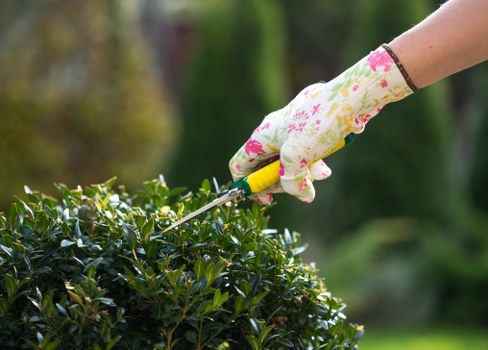 In practice, that means green waste may be weighed, checked, and redistributed for composting or biomass use, while segregated wood is sent to appropriate wood recycling streams. For residents and businesses in Willesden, this creates a practical balance between responsible site clearance and a lower-impact end destination for the material generated by tree work.
We are also proud to support charity partnerships that give useful materials a second life. Where safe and suitable, timber offcuts, logs, and mulch can be directed toward community gardens, allotments, wildlife groups, or charitable projects that benefit from low-cost natural materials. This is one of the most rewarding parts of recycling in tree surgery: what began as a by-product of pruning or dismantling can end up helping local groups with mulching paths, habitat creation, or soil protection. In a diverse urban area like Willesden, these small loops of reuse can make a measurable difference to local green spaces.
Low-carbon vans are another key part of our sustainability strategy. Our fleet includes modern vehicles designed to reduce emissions through improved fuel efficiency and lower idling impact, with route planning used to cut unnecessary travel between jobs and transfer stations.  By combining efficient scheduling with better load planning, Tree Surgeons Willesden can complete more work with fewer journeys. This matters in London, where traffic congestion can increase emissions if vehicles are poorly managed. Our goal is to make each trip count, ensuring that the environmental impact of transport is kept in step with our recycling ambitions.
We pay close attention to the types of waste commonly produced in local tree care work. Brash, hedge cuttings, leaf litter, stumps, and timber all have different recovery routes. Some materials are suitable for chipping and reuse on mulch beds, while others are better handled as biomass feedstock or reclaimed timber. In boroughs around Willesden, waste separation policies increasingly favour clear sorting at source, and our teams follow that principle by keeping recyclable organics apart from mixed rubbish. This also helps reduce contamination from soil, plastic ties, or general debris, improving the quality of recovered material and supporting higher recycling rates.
Our sustainability focus extends to job design as well. We choose equipment and working methods that reduce waste from the outset, such as accurate pruning, careful dismantling, and selective removal rather than overcutting. When trees are reduced with precision, there is less excess material to transport or process, which supports our tree surgery waste recycling objectives.  We also encourage the reuse of woodchips in appropriate local contexts, especially where they can support moisture retention, weed suppression, or pathway surfacing in gardens and communal planting areas. That kind of circular use keeps the material in circulation for longer and reduces the need for imported alternatives.
Our partnerships with licensed facilities are chosen for reliability, compliance, and recovery performance. The aim is not simply to move waste on, but to ensure it enters a legitimate processing route where sorting, screening, and repurposing can happen effectively. That approach supports the wider sustainability goals of the borough and reflects the expectations of customers who want environmentally responsible arboricultural services. In many cases, our recycling percentage target is achievable because the majority of material from tree work is naturally recoverable, provided it is handled with care and directed to the right outlet.
 Ultimately, recycling and sustainability are part of what makes Tree Surgeons Willesden a modern, responsible local service. From charity reuse and local transfer stations to low-carbon vans and strict waste separation, every stage of our work is designed to reduce environmental impact. Our Willesden tree surgeons are committed to keeping valuable natural materials in use, supporting greener streets, and helping the area move toward a more circular approach to arboricultural waste. That commitment is practical, measurable, and rooted in the everyday choices that shape better outcomes for trees, people, and the local environment.