Crown Thinning in Willesden
Professional Tree Care for Local Homes, Gardens, and Businesses

If you are looking for crown thinning in Willesden, you are likely trying to improve the condition, shape, and safety of a tree without losing its natural look. Crown thinning is a skilled pruning method that removes selected branches from within the canopy, allowing more light, better air movement, and a lighter overall structure. It is a popular choice for gardens in Willesden because many local properties have mature trees in compact spaces, close to houses, fences, driveways, and neighbouring plots.
Whether you own a terraced home near Willesden Green, a semi-detached property close to Dudden Hill, or manage a commercial site around Harlesden and Kensal Green, trees need careful attention when they begin to block light, catch wind, or grow too densely. A local tree team can assess the canopy, shape the tree correctly, and carry out the work with the right balance of pruning and restraint. That matters because poor cutting can leave trees unbalanced, stressed, or visually harsh.
Crown thinning is often the right answer when the aim is not to reduce height dramatically, but to improve the tree’s internal structure. It can make a big difference in a built-up area like Willesden, where gardens are shared, access can be tight, and people want trees that feel healthy rather than overworked. If you want a tree care service that respects both the tree and the property, it is worth speaking to a local specialist and requesting a free quote.
What Crown Thinning Means and When It Is Used

Crown thinning is the selective removal of branches throughout the canopy of a tree. Unlike topping or severe reduction, the goal is to keep the tree’s natural outline while making the crown less crowded. The work is carried out by removing small to medium branches from within the canopy, usually from the outer and inner sections in a balanced pattern. This helps reduce weight on heavy limbs and allows wind to pass through more easily.
In practical terms, thinning can help with several common issues. A tree may be blocking too much daylight into a garden room, overhanging a patio, dropping excess leaf litter, or creating a dense mass of growth that traps moisture and reduces airflow. For many Willesden properties, this can make outdoor spaces feel darker and less usable. Crown thinning is often chosen because it offers a careful, controlled improvement rather than a dramatic change.
The service is useful for a wide range of species, including many mature ornamental and garden trees found across northwest London. Each tree must be assessed individually, because the right pruning approach depends on its age, species, condition, shape, and proximity to structures. A qualified arboricultural team will consider whether thinning is the correct method or whether another type of pruning would be safer and more effective.
Why Willesden Customers Ask for Crown Thinning
Willesden is a busy, well-established part of northwest London with a mix of period homes, modern developments, rental properties, schools, shops, cafés, and communal outdoor spaces. That variety means local tree work is rarely straightforward. Trees often grow in limited space, with roots, branches, and access all needing careful planning. Crown thinning suits this kind of environment because it can improve tree performance without creating an over-cut look.
Homeowners often ask for thinning when a tree has become too dense above a garden, driveway, or rear extension. Landlords and managing agents may request it for shared courtyards, front gardens, or boundary trees that are affecting daylight or creating maintenance issues. Commercial clients may need the work to make entrances, forecourts, and customer areas more pleasant and safe. In all of these cases, a local team is helpful because they understand the layout of properties in the area and the practical challenges that come with them.
There is also a real safety benefit. Dense canopies catch more wind, and branches can rub, cross, or develop weak points as they grow. Thinning can reduce stress on the tree while improving the balance of the crown. It is not simply about appearance; it is about supporting the long-term condition of the tree and making the surrounding space more comfortable to use.
Benefits of Crown Thinning for Local Properties
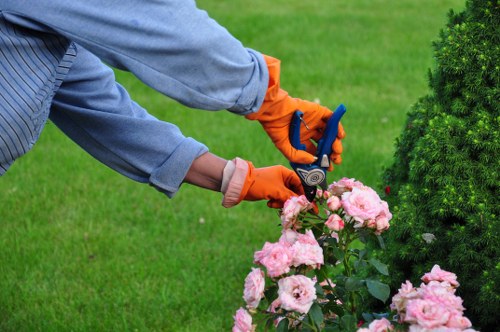
One of the main reasons people choose crown thinning in Willesden is light improvement. Mature trees are valuable, but when a canopy becomes too heavy, it can noticeably darken gardens and ground-floor rooms. By selectively removing branches, the tree still provides greenery and privacy while letting more daylight filter through. This can make terraces, kitchens, conservatories, and small rear gardens feel brighter and more open.
Air movement is another important benefit. A dense canopy can hold dampness, especially during wetter months, which may contribute to poorer drying conditions for the tree and surrounding areas. Improved airflow can help reduce the sense of congestion and may also support healthier foliage. In windy weather, a thinned crown can create less resistance, which may reduce the strain on major branches and the tree’s framework.
Crown thinning can also improve the tree’s appearance by revealing its structure. A well-thinned tree looks natural, lighter, and more refined, not hacked back or forced into an unnatural shape. For front gardens and visible roadside plots in Willesden, that matters because the tree becomes a better part of the property rather than a problem to hide. For commercial sites, it can help create a tidier and more welcoming entrance for staff, clients, and visitors.
What Is Included in a Crown Thinning Service?
When you book crown thinning, you should expect a service that begins with careful assessment, not immediate cutting. A good arborist will inspect the tree, look for dead, damaged, crossing, or overcrowded branches, and decide how much material can be removed without harming the canopy. The aim is to thin the crown evenly so the tree keeps its shape and remains structurally sound.
A typical crown thinning service may include:
- Site and tree assessment before any pruning begins
- Selective branch removal throughout the crown
- Attention to crossing, rubbing, and congested growth
- Balancing the shape so the tree still looks natural
- Careful management of cut material and debris
- Clear advice on future maintenance needs
Depending on the tree and site conditions, the work may be combined with other light pruning tasks such as removing deadwood or lifting the crown slightly to improve clearance over paths, lawns, or access routes. If you are not sure what your tree needs, a local tree surgeon can explain the options in plain language and recommend the least disruptive solution.
How the Work Is Carried Out

Every tree and property is different, but the process for crown thinning usually follows a clear sequence. First comes the inspection. This is where the tree’s species, health, canopy density, and position on the site are reviewed. The arborist will look for weak branch unions, signs of disease, and any issues that could influence how the work should be done.
Next, the pruning plan is shaped around the tree’s natural form. This is important because crown thinning should not look like random branch removal. Branches are selected strategically to improve spacing within the canopy, preserve symmetry, and protect the tree’s framework. A skilled team works methodically from the outside in, using the right tools and working practices for the size of tree involved.
Finally, the site is cleared and made tidy. For many local customers, this part matters just as much as the pruning itself because gardens and driveways in Willesden can be compact. Debris must be removed efficiently, walkways kept clear, and the property left in good order. If there is limited parking or access, a local crew is usually better placed to plan arrival, loading, and equipment movement sensibly.
Local Access, Parking, and Property Challenges in Willesden
One of the biggest advantages of hiring a local tree team is familiarity with the area’s practical constraints. Many Willesden streets have narrow entrances, limited on-road parking, and tight rear access through side paths, shared walkways, or garden gates. Some properties have mature trees with branches extending over neighbours’ land or near utility lines. These details affect how a crown thinning job is planned and completed.
Local crews understand that work may need to be carried out in stages, with equipment chosen to suit the site rather than forcing a one-size-fits-all approach. A smaller domestic garden may need hand removal and careful lowering of branches, while a larger commercial forecourt may allow a different setup. Planning the job properly helps reduce disruption and keeps the work safer and more efficient.
Willesden also includes a mix of older properties and newer developments, which means tree work can involve different considerations from one street to the next. A mature tree near a Victorian terrace may need delicate pruning to preserve privacy and daylight balance, while a tree near a modern block may need attention for shared spaces and building clearance. Choosing a nearby professional means those site-specific issues are understood from the start.
Why a Local Tree Surgeon Is Useful

When you are arranging crown thinning in Willesden, local knowledge is worth a great deal. A nearby company is more likely to understand how access works in the area, how to plan around busy roads, and how to handle jobs that require care near gardens, walls, sheds, and communal areas. That practical experience can make the whole process easier from quotation to completion.
A local team is also easier to use for follow-up work. Trees do not need the same treatment every year, and the right pruning cycle depends on the tree’s growth rate and condition. If you need occasional maintenance, seasonal checks, or additional pruning in future, having a trusted local contact makes it easier to keep the tree in good shape. For landlords, facilities teams, and homeowners alike, that continuity is valuable.
Another benefit is responsiveness. If a tree becomes heavy, crowded, or awkward after a period of strong growth, local arborists can usually visit the site more conveniently and assess the best next step. That local availability can make a big difference when you are trying to sort out a garden or property issue without delay. Contact us today to request a free quote and discuss the right approach for your tree.
Residential Crown Thinning in Willesden
For homeowners, crown thinning is often about improving everyday living conditions. A tree that once looked perfect may now overshadow the garden, interfere with washing lines, reduce the amount of light entering the house, or cause constant leaf fall into ponds, gutters, and borders. Instead of removing the tree, thinning can keep it while making it easier to live with.
Many local gardens are not large, so the relationship between tree and property is close. That makes balance important. Too much pruning can leave a garden exposed, while too little can keep a space uncomfortably dark. A well-done thinning job finds a sensible middle ground. It retains the character of the tree, supports its health, and makes the outdoor area more usable for family life, gardening, and entertaining.
Homeowners also appreciate the visual improvement. A crowded canopy can make a front garden feel heavy or untidy, while a carefully thinned tree looks better proportioned and more in keeping with the property. If you are preparing a home for sale, refreshing the landscape around the building can help present a more cared-for appearance without major changes.
Commercial and Managed Property Tree Care
Commercial customers in Willesden may need crown thinning for a different set of reasons. Shops, offices, rental blocks, hospitality venues, schools, and communal estates often need trees maintained for safety, appearance, and accessibility. A dense crown can block signage, reduce visibility near entrances, or make outdoor seating and shared spaces less pleasant to use.
Managed properties can also face regular maintenance requirements where overgrown trees create recurring complaints from residents or tenants. In those situations, crown thinning can be a sensible, preventative measure. It helps moderate growth while retaining the environmental benefits of the tree. This is especially useful where there are multiple stakeholders and you need practical tree care that is easy to justify and explain.
For businesses, the right tree work can contribute to a tidy and professional exterior. Customers notice entrances, walkways, and frontage. A well-maintained tree can enhance the setting, while an unmanaged canopy can create shadow, congestion, and a neglected feel. Local arborists who regularly work on commercial sites understand the importance of reducing disruption and keeping the premises presentable throughout the job.
When Crown Thinning May Be the Right Choice
Crown thinning is usually considered when a tree is healthy enough to benefit from selective pruning rather than more drastic work. It may be suitable if the canopy is too dense, the tree is catching too much wind, or the structure would benefit from improved spacing. It is also useful when the tree’s size is acceptable but the internal growth has become congested.
Some common signs that thinning may help include:
- Reduced daylight in the garden or home
- Branching that feels tangled or overcrowded
- Heavy canopies that sway strongly in wind
- Frequent rubbing between branches
- Excessive shade over patios, lawns, or planted areas
- Visual bulk that overwhelms the property
It is important to note that thinning is not always the answer. Some trees may need deadwood removal, a light crown reduction, or simply monitoring. A responsible arborist will tell you if thinning is not appropriate. That honesty is part of what customers should expect from a professional tree service: practical advice, not unnecessary work.
How to Prepare for Your Tree Work
Preparing for crown thinning in Willesden is usually straightforward, but a few simple steps can help the job go smoothly. If your tree is close to a driveway, garden furniture, or parked vehicle, it is sensible to clear that area before the team arrives. The same applies to delicate plants or ornaments beneath the canopy. A little preparation can save time and reduce the chance of accidental damage.
You may also want to think about access. If the rear garden is reached through a side passage or shared entrance, make sure the route is open. If there are locked gates, restricted entry points, or parking limitations, these should be discussed in advance so the team can plan accordingly. In busy parts of Willesden, good coordination makes a real difference.
A simple checklist can help:
- Move vehicles away from the work area if possible
- Clear furniture, pots, and fragile items from beneath the tree
- Ensure gates and access routes are available
- Keep pets and children away from the work zone
- Discuss any known issues with the tree beforehand
Pricing Factors for Crown Thinning
Because every tree and site is different, pricing for crown thinning depends on several factors rather than a fixed figure. Tree size is one of the main considerations, since larger trees require more time, more labour, and often more complex access arrangements. The density of the canopy also matters, because a tightly crowded tree may need a more careful and time-consuming approach.
Access is another major factor in Willesden. A tree with easy front-garden access will generally be simpler to work on than one reached through a narrow side alley or shared rear passage. If equipment has to be carried by hand, lowered carefully, or managed around limited parking, that can affect the time needed for the job. Condition is also important: if the tree has deadwood, weak limbs, or visible defects, additional care may be required.
When requesting a quote, it helps to explain the tree’s location, approximate size, and what you want to achieve. Are you mainly looking for more light, a lighter appearance, or better wind resistance? The clearer the brief, the easier it is for the arborist to recommend the right service. Request a free quote when you are ready and get tailored advice for your tree and property.
Areas Covered Around Willesden
A local service for crown thinning in Willesden typically covers the surrounding neighbourhoods where similar property types and access issues are common. This can include nearby parts of Willesden Green, Harlesden, Kensal Green, Dollis Hill, Neasden, and other nearby northwest London locations where mature garden trees and managed landscapes are found.
Covering nearby areas matters because local tree care is often about short travel times, practical scheduling, and understanding the character of the streets and homes. Different parts of the area may have different tree populations, different garden sizes, and different parking conditions. A local team can adjust to those differences while still offering a consistent standard of work.
If your property sits near shared boundaries, commercial frontages, or estate-managed grounds, it is especially helpful to work with people who are used to coordinating with neighbours and property managers. That can make the process smoother and less disruptive from the first visit to the final tidy-up.
Frequently Asked Questions
What is the difference between crown thinning and crown reduction?
Crown thinning removes selected branches throughout the canopy to reduce density while keeping the tree’s natural outline. Crown reduction usually shortens the outer canopy to reduce overall height or spread. They solve different problems, so the right choice depends on what the tree needs and what the property requires.
Will thinning damage my tree?
When carried out properly, crown thinning should support the tree rather than harm it. The key is selective pruning by a knowledgeable arborist who understands how much can be removed safely. Poor pruning, on the other hand, can stress the tree or spoil its form.
Is crown thinning suitable for all trees?
No. Some trees respond better to other forms of pruning, and some may need only minor maintenance. The species, age, condition, and location all matter. A professional assessment is the best way to decide whether thinning is appropriate.
Can crown thinning help with a windy garden?
Yes, in many cases. A denser canopy catches more wind, which can put more strain on branches and make the tree sway more heavily. Thinning can help air pass through the crown more easily, which may improve stability and reduce wind resistance.
How often should trees be thinned?
That depends on the species, growth rate, and the space available. Some trees only need attention occasionally, while others may benefit from periodic maintenance. A local tree surgeon can advise on a sensible schedule after inspecting the tree.
Do I need permission before the work starts?
Some trees are protected or subject to specific controls, and some sites may have local restrictions. Before any work begins, it is important to check whether consent is needed. A professional tree service should be able to flag this during the initial assessment.
Why Choose a Local Crown Thinning Service in Willesden?
Choosing a local company means choosing people who understand the area, the property types, and the everyday practicalities of working in northwest London. That is valuable when you want a neat, controlled result rather than a rushed job. A local team is more likely to know how to access the site, how to work with limited space, and how to keep disruption low.
It also means you can receive advice that reflects real conditions on the ground. A tree growing in a narrow rear garden in Willesden may need a different approach from one in a larger open plot or a shared commercial yard. The best results come from practical judgement, not from applying the same method everywhere. That is why local tree care remains the best choice for many homeowners and businesses.
Whether your priority is better light, improved shape, more wind movement, or simply a healthier-looking tree, crown thinning can be a valuable investment in the appearance and use of your property. If your tree is becoming too dense or you are unsure what type of pruning it needs, contact us today to discuss your options and arrange a site visit.
Book Your Crown Thinning in Willesden
If you want to improve the look and feel of your tree without over-pruning it, crown thinning may be the right solution. It is especially useful in built-up areas like Willesden, where gardens are often compact and mature trees need to be managed with care. A properly thinned crown can bring in more light, reduce wind loading, and make your outdoor space feel more open and usable.
From family gardens and rental properties to office fronts and commercial yards, the service can be tailored to the site and the tree. The most important thing is to choose a tree team that understands the balance between appearance, safety, and long-term tree health. With the right approach, you can enjoy the benefits of your trees without the problems caused by excessive density.
Book your service now if you are ready to take the next step, or request a free quote if you would like to talk through the tree, the access, and the best method for your property. A well-planned crown thinning service can make a noticeable difference to both your tree and your space.